

REBUILDING NOTRE-DAME DE PARIS

SECURING

The actions to secure the cathedral began the day after the fire. It was essential to immediately establish an inventory of the damage and set to work to save the cathedral.

Impeccable mobilization over more than two years ensured the success of complex operations. The many dangers threatening the monument were eliminated one by one.

In the end, the cathedral had been saved by summer 2021 and was ready to accommodate restoration works complete safety.

visuel principal ©C2RMF Alexis Komenda.jpg

First emergency measures

Once the fire had been extinguished, the Regional Directorate for Cultural Affairs (DRAC), architects from the department of historic monuments and companies took over from the firefighters to immediately ensure the emergency operations necessary to make the edifice and its surroundings safe, thus commencing the vast project of securing the cathedral.
LEARN MORE
visuel principal © David Bordes - RNDP.jpg

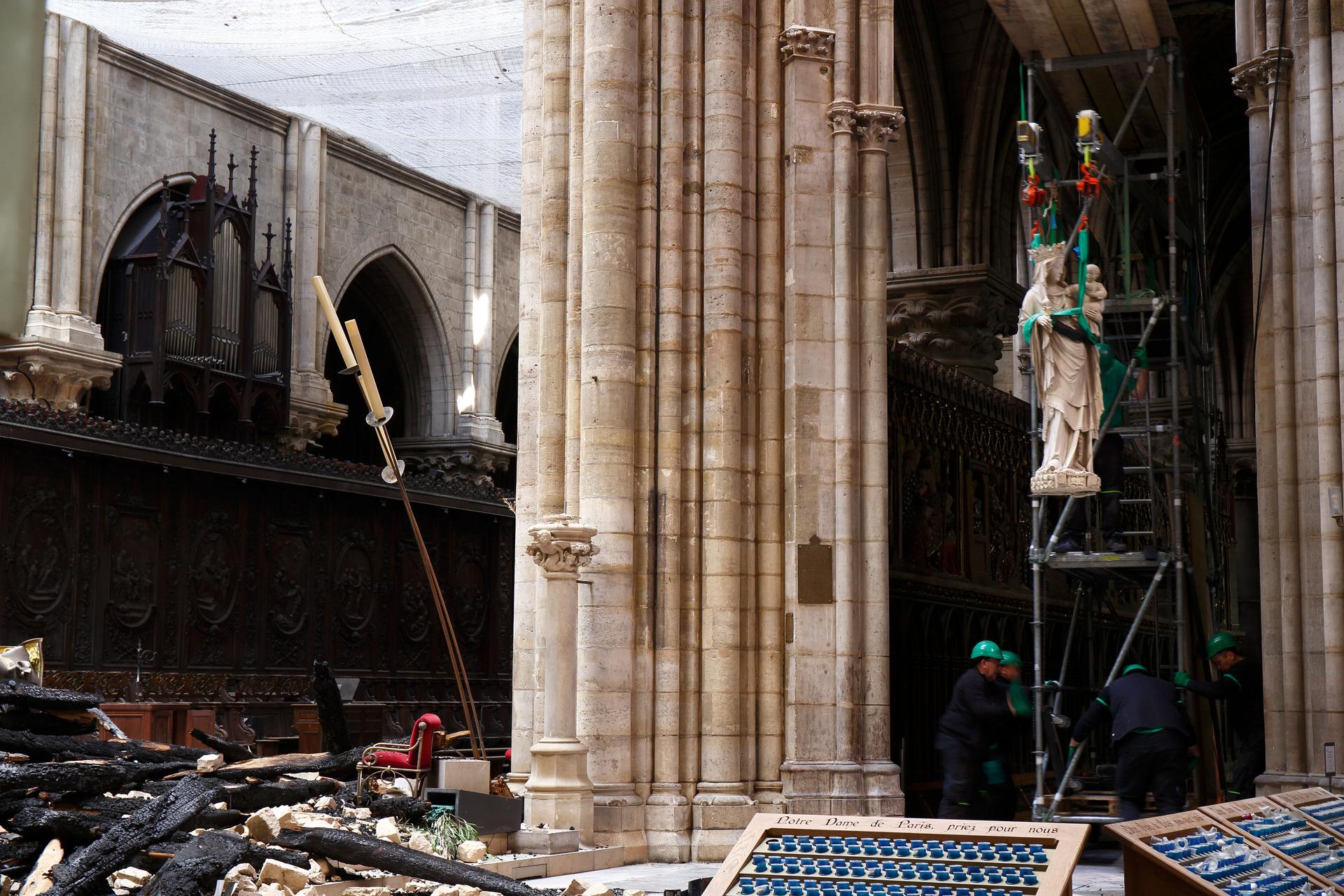
Evacuating the artworks

Beginning on the night of the fire and continuing over the following days, 1,300 artworks were evacuated from the cathedral and stored in a safe place.

LEARN MORE
vestiges (c)David Bordes EP.jpg

Clearing, sorting and inventory of remains

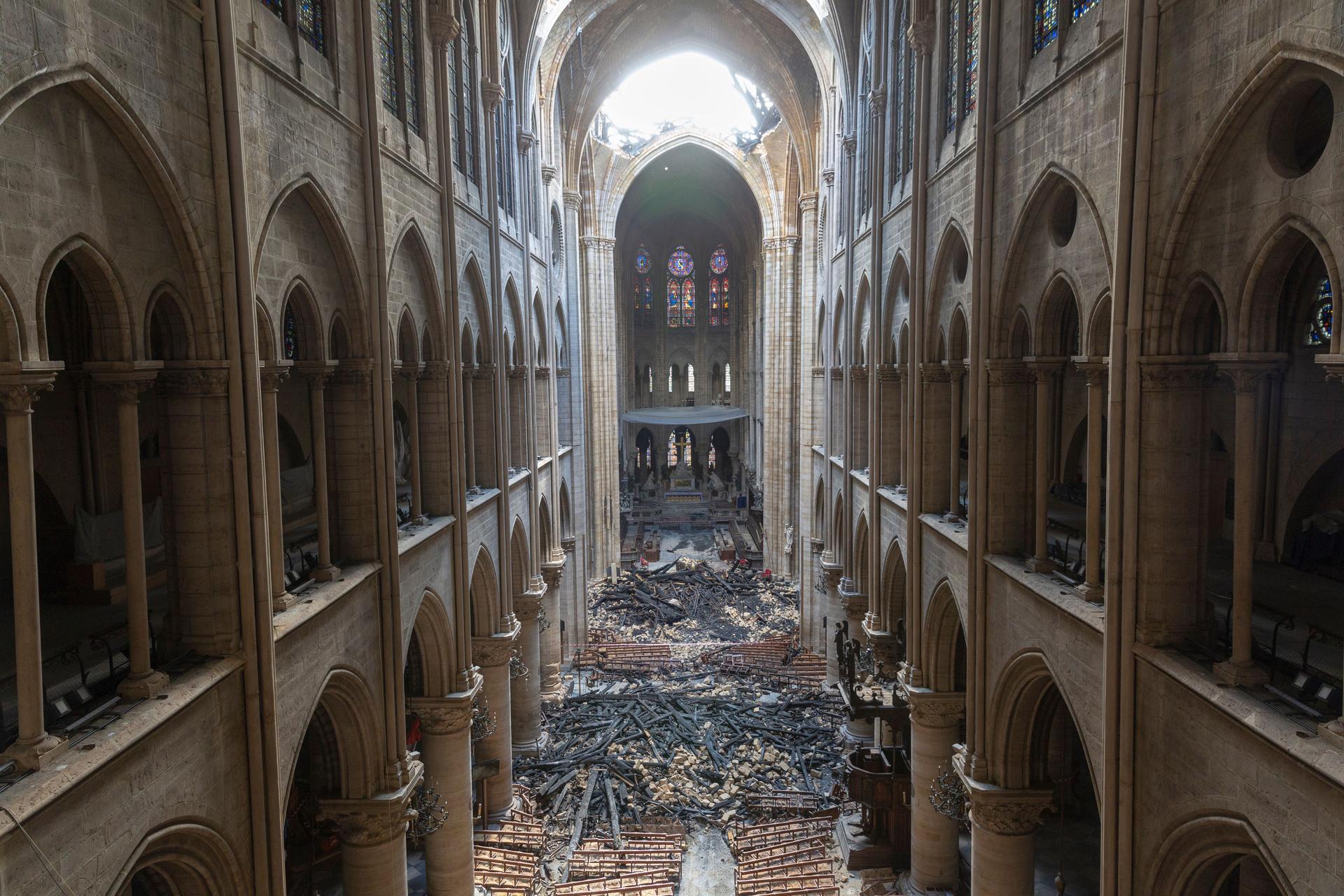
Certainly, the interior of the cathedral was perfectly recognizable in the days following the fire. But it presented an apocalyptic vision, the floor littered with the mass of debris from the spire, the vault, the framework and the roofs.

LEARN MORE
visuel principal_ ©Patrick Zachmann – Magnum Photos.jpg

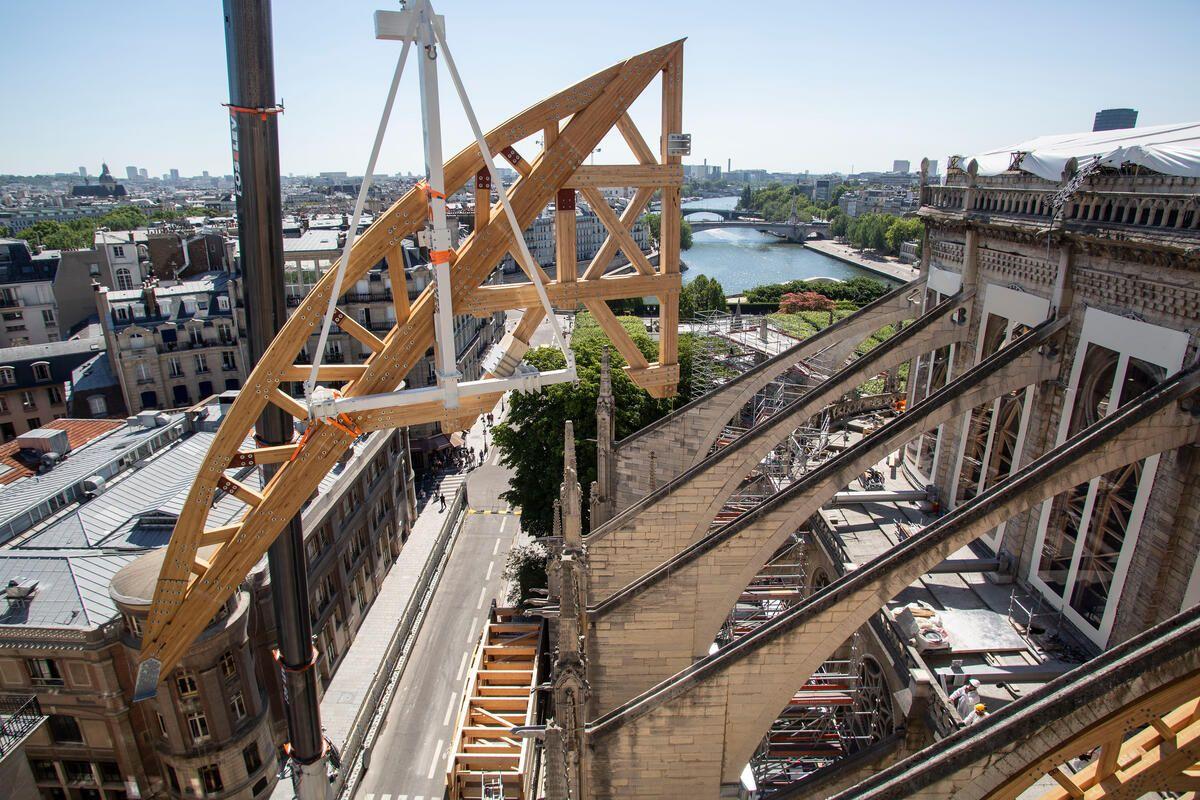
Supporting the flying buttresses

The twenty-eight arches supporting the flying buttresses are emblematic of the securing of the cathedral, giving visible shape to the success of an exceptional challenge.

LEARN MORE
image.png

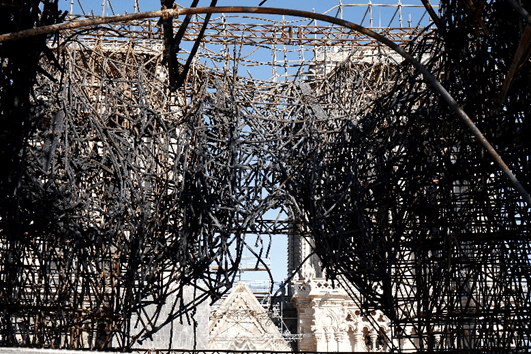
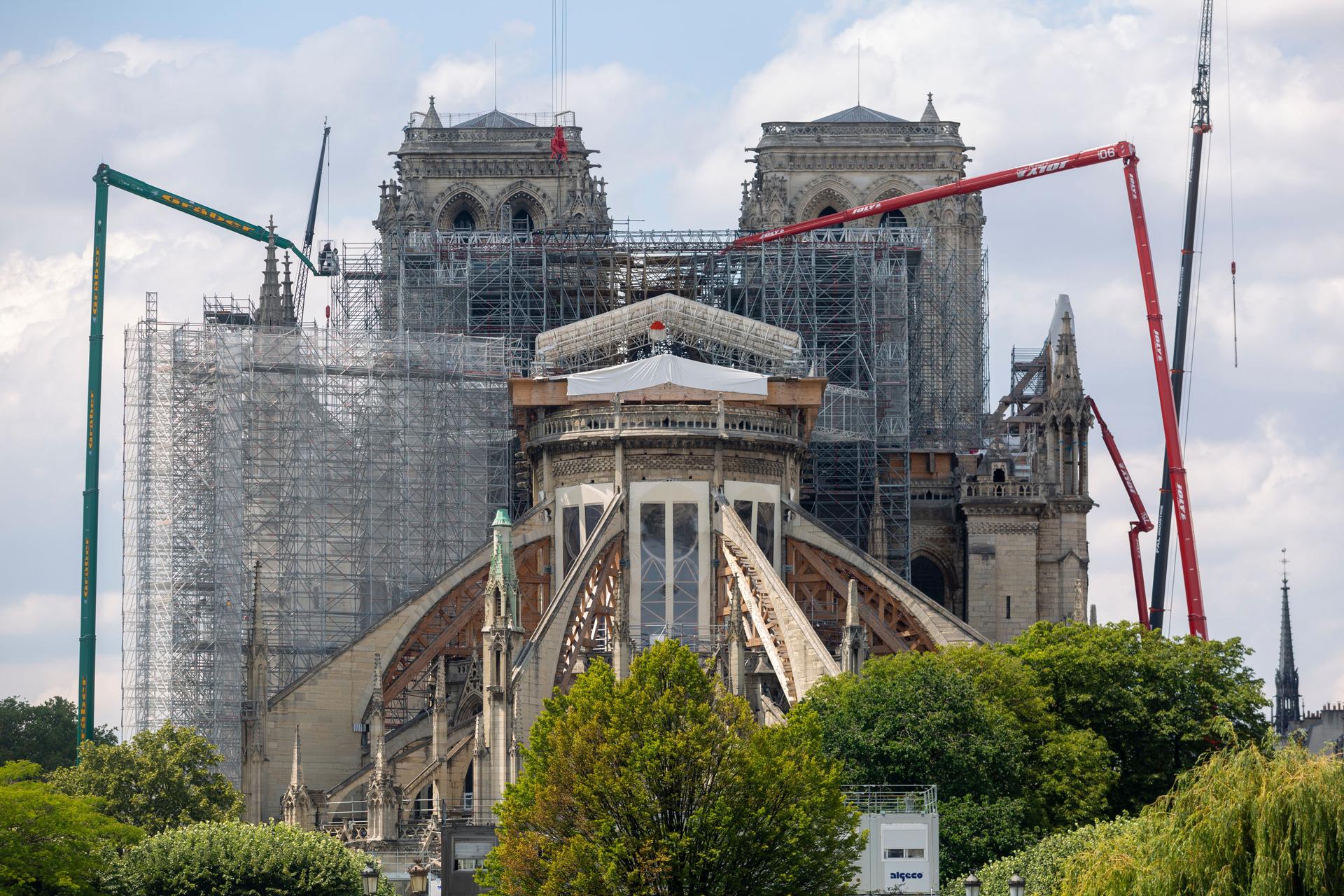
Dismantling the damaged scaffolding

Erected before the fire, the scaffolding of the spire withstood its collapse. The removal of the scaffolding, a crucial phase in securing the structure, was the focus of all the know-how and energy of the skilled workers for many months.

LEARN MORE
visuel (c) David Bordes - RNDP.jpg

Consolidating the vaults

Waterlogged, littered with rubble after the fire and partly collapsed, it was absolutely imperative to secure the vaults of Notre Dame before the work of restoring them could begin.

LEARN MORE
grutier.jpg

Taking down the great organ

The great organ is the voice of Notre Dame. Preserved from flames and water by the massive Western end of the cathedral (the West part of the cathedral including the towers in the facade), it was mired in lead dust, making it essential to clean and restore the organ. Its 8,000 pipes thus had to be dismantled.

LEARN MORE
visuel David Bordes.jpg

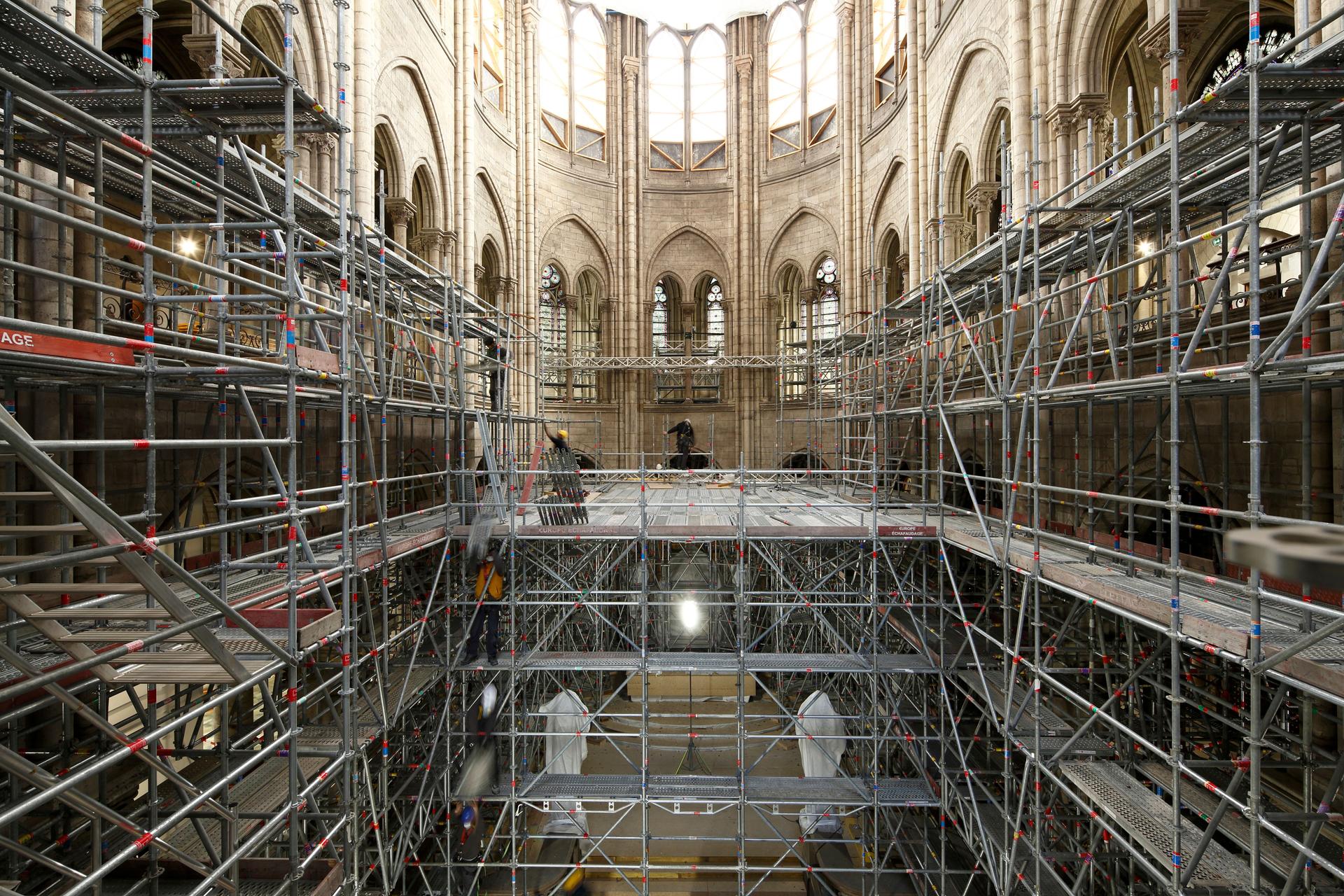
Assembling the internal scaffolding


The installation of several hundred tons of scaffolding inside Notre Dame in order to consolidate the monument and make it accessible, radically transformed its face.

LEARN MORE
croisee (c) David Bordes RNDP.jpg

Securing the crossing

Securing the transept crossing and protecting it from water signaled the end of the securing work on the cathedral.

LEARN MORE
visuel (c) Patrick Zachmann-Magnum Photos.jpg

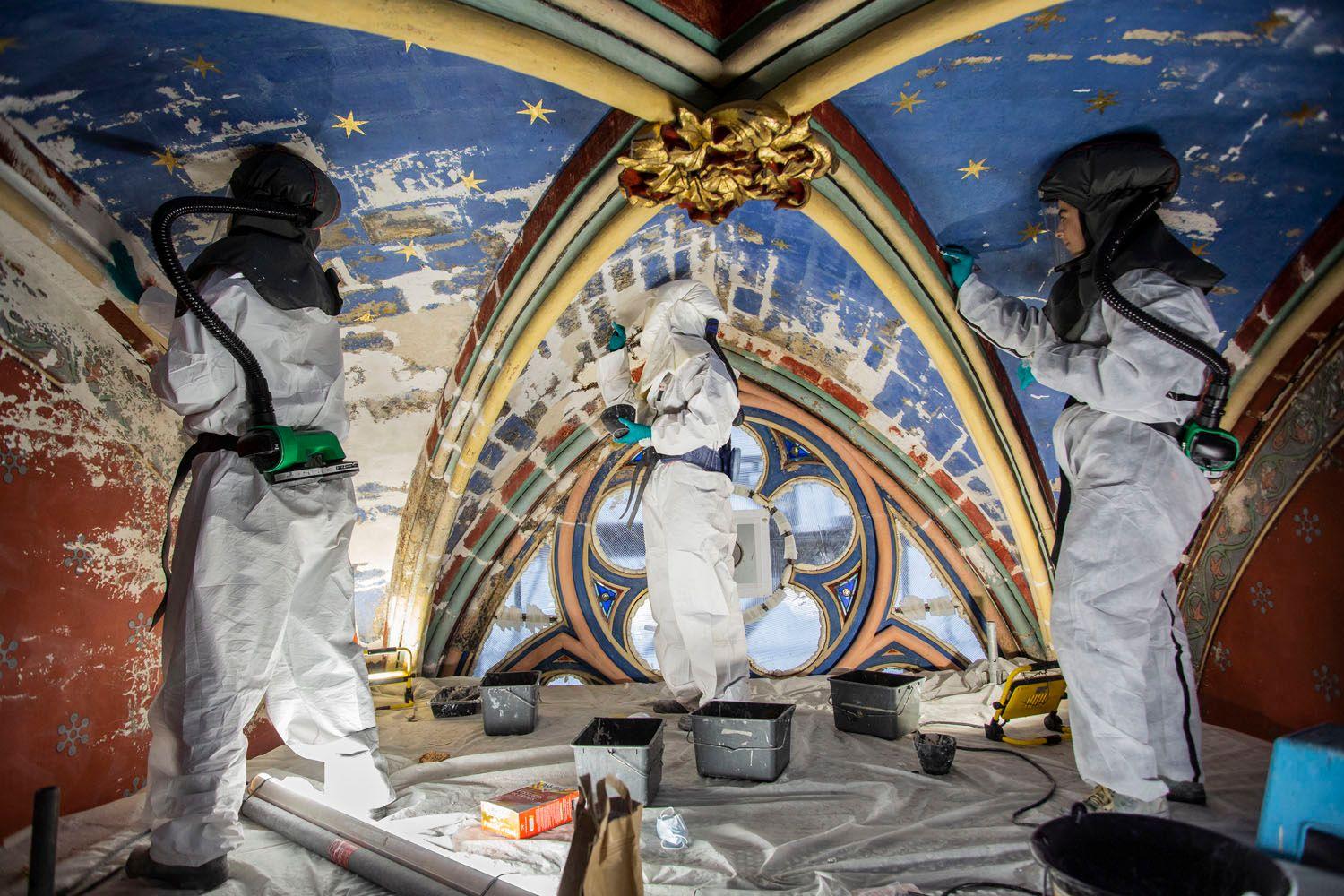
Test restoration of the chapels

While work securing the monument continued apace, two chapels in the middle of the cathedral were given very special treatment: they recovered their splendor before all the others. 

LEARN MORE